Commercial Concrete: What Business Owners Need to Know
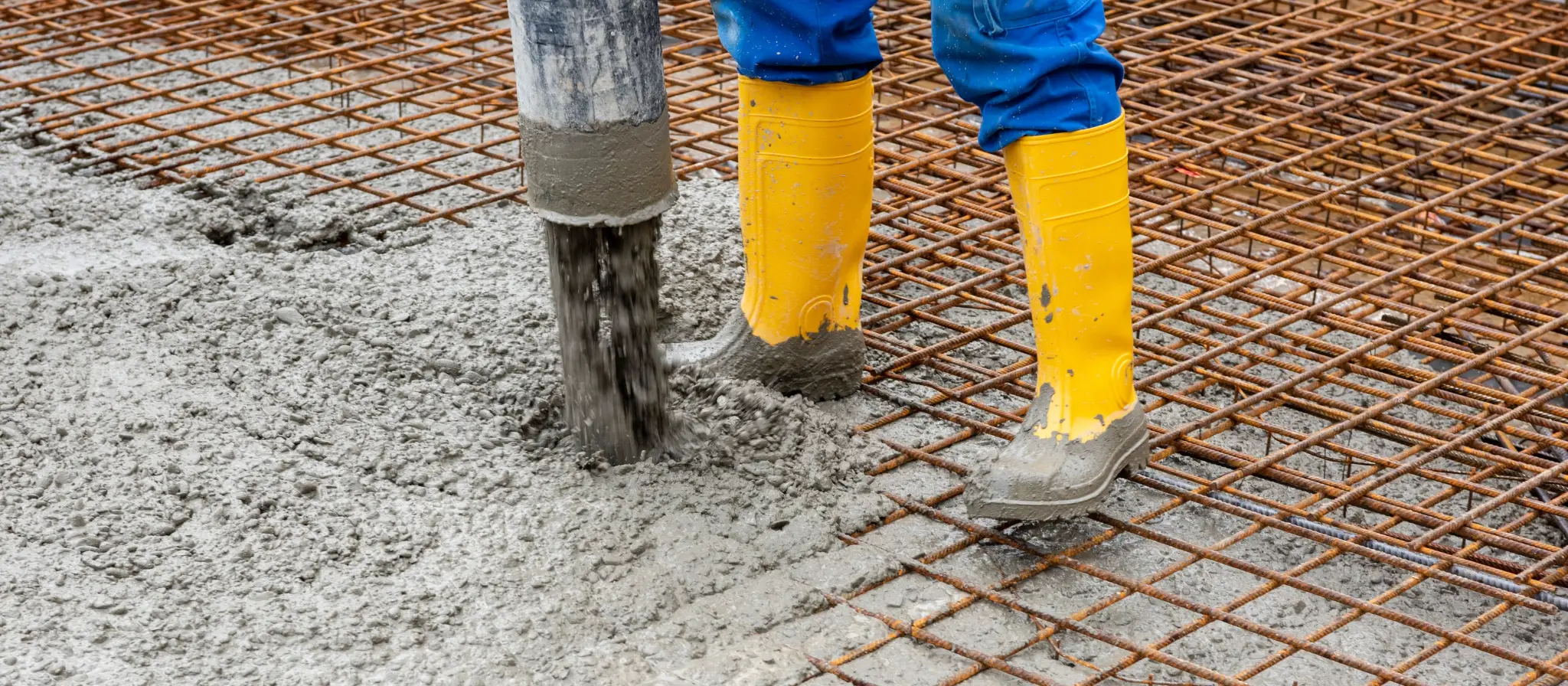
Commercial Concrete: A Complete Guide for Business Owners
Commercial concrete projects differ from residential work in scale, specification, and complexity. Whether you're building a new parking lot, warehouse floor, loading dock, or commercial building foundation, understanding the basics will help you work more effectively with contractors and avoid costly mistakes.
Types of Commercial Concrete Work
Parking Lots and Drives
Commercial parking lots require thicker slabs (5–7 inches) than residential driveways to handle the weight of commercial vehicles. Proper drainage design is critical to prevent pooling and premature deterioration.
Warehouse and Industrial Floors
Warehouse floors must withstand heavy forklift traffic, racking loads, and constant foot traffic. Specifications typically call for 6–8 inch slabs with fiber reinforcement or rebar, and surface hardeners for abrasion resistance. Flatness tolerances (FF/FL values) are critical for racking stability.
Loading Docks
Loading docks experience some of the most punishing conditions in commercial construction — heavy truck loads, impact from dock plates, and constant traffic. Reinforced concrete with proper joint design is essential.
Sidewalks and Exterior Flatwork
ADA compliance is mandatory for commercial sidewalks and accessible routes. Proper slope, surface texture, and detectable warning surfaces must meet local code requirements.
Foundations and Structural Concrete
Commercial foundations are engineered to specific load requirements. This work requires licensed structural engineers and contractors with commercial foundation experience.
Tilt-Up Construction
Large warehouse and retail buildings are often built using tilt-up construction — concrete panels are cast on the floor slab, then tilted up to form the walls. This requires specialized contractors and careful coordination.
Commercial Concrete Specifications
Commercial concrete is specified differently than residential:
| Specification | Residential | Light Commercial | Heavy Commercial/Industrial |
|---|---|---|---|
| Concrete PSI | 3,000–4,000 | 4,000–5,000 | 5,000–6,000+ |
| Slab Thickness | 4–6 inches | 5–7 inches | 6–10 inches |
| Reinforcement | Wire mesh | Rebar grid | Heavy rebar or fiber |
| Surface Hardener | Rarely | Sometimes | Often required |
| Joint Spacing | 10–15 ft | 12–18 ft | 15–25 ft |
Commercial Concrete Costs
Commercial concrete pricing is typically quoted per square foot for flatwork or per cubic yard for structural work.
Parking Lots: $4–$8/sq ft (5" slab, standard finish)
Warehouse Floors: $5–$10/sq ft (6" slab, power-trowel finish)
Loading Docks: $8–$15/sq ft (heavy reinforcement, specialized design)
Sidewalks/Flatwork: $5–$9/sq ft (ADA compliant)
Foundations: $15,000–$100,000+ depending on size and complexity
Hiring a Commercial Concrete Contractor
Commercial concrete work requires contractors with:
- ▸Commercial contractor's license (separate from residential in many states)
- ▸Adequate bonding (typically $500K–$2M for commercial projects)
- ▸Commercial liability insurance ($2M–$5M minimum)
- ▸Experience with commercial specifications and ADA requirements
- ▸Ability to pull commercial permits and work with inspectors
- ▸References from comparable commercial projects
Common Mistakes to Avoid
1. Skipping the geotechnical report — Soil conditions dramatically affect foundation and slab design. Don't skip the soils report.
2. Inadequate joint design — Improperly spaced or designed control joints lead to random cracking. Insist on a joint layout plan before pouring.
3. Rushing the cure — Commercial slabs need adequate curing time before heavy loads are applied. Rushing this process leads to surface defects and premature failure.
4. Ignoring drainage — Poor drainage is the number one cause of premature concrete deterioration. Ensure proper slope and drainage design.
5. Lowest-bid mentality — Commercial concrete failures are extremely expensive to repair. The cheapest bid is rarely the best value.
The Bottom Line
Commercial concrete is a significant investment that requires experienced, properly licensed contractors. The Concrete Contractor Lead Network connects business owners with qualified commercial concrete contractors who specialize in your type of project and understand local code requirements.
Published by
Concrete Contractor Lead Network
The premier lead generation network for concrete contractors across the United States.
Are You a Concrete Contractor?
Join the network and start receiving qualified leads in your market. Check if your territory is available.
Check Territory AvailabilityJoin Shared Network — $500/yr