How to Repair Cracks in a Concrete Driveway
Cracks in a concrete driveway are one of the most common homeowner concerns — and one of the most misunderstood. Not all cracks are equal. Some are purely cosmetic; others signal structural problems that require professional attention.
This guide helps you identify what type of crack you have, whether DIY repair is appropriate, and when to call a professional.
Types of Concrete Cracks
Hairline Cracks (less than 1/8 inch wide)
These are the most common and are usually caused by normal concrete shrinkage during curing. They're typically cosmetic and don't affect structural integrity.
DIY appropriate? Yes — with the right filler product.
Medium Cracks (1/8 to 1/2 inch wide)
These can result from tree root intrusion, freeze-thaw cycles, heavy vehicle loads, or soil settlement. They need to be addressed before water infiltration causes them to expand.
DIY appropriate? Sometimes — depends on depth and cause.
Wide Cracks (over 1/2 inch) or Displaced Cracks
When one side of a crack is higher than the other (displacement), it indicates significant soil movement or structural failure. These require professional assessment.
DIY appropriate? No — call a professional.
Spalling and Surface Deterioration
Flaking, pitting, or surface scaling is usually caused by freeze-thaw damage, deicing salt use, or poor finishing during installation.
DIY appropriate? Partial — surface resurfacing products can help, but severe spalling may require full replacement.
DIY Crack Repair: Step-by-Step
What you'll need:
- ▸Concrete crack filler (polyurethane or epoxy for structural; latex for cosmetic)
- ▸Wire brush or angle grinder with crack chaser blade
- ▸Shop vacuum
- ▸Concrete cleaner/degreaser
- ▸Backer rod (for cracks wider than 1/4 inch)
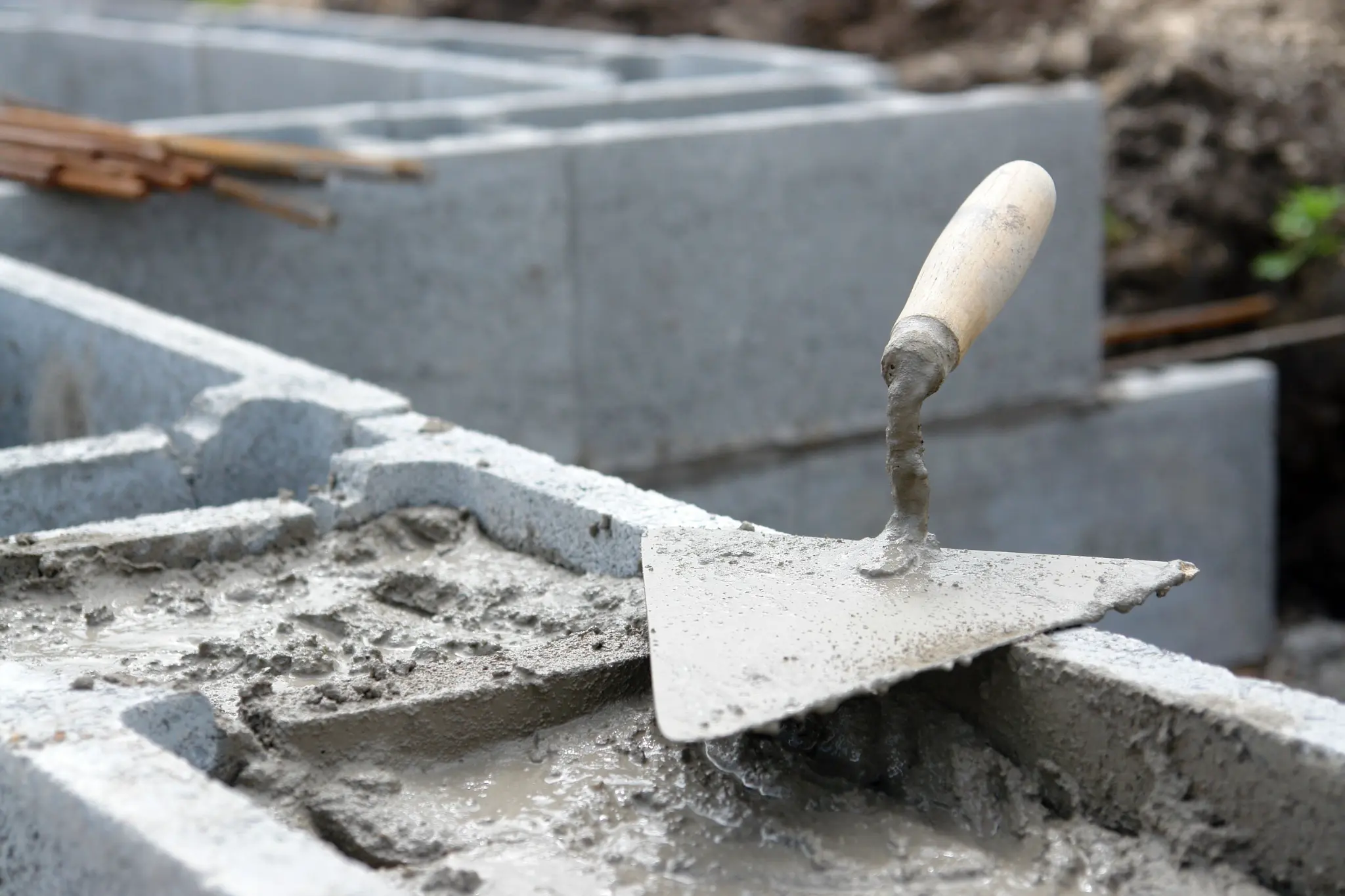
- ▸Trowel or putty knife
- ▸Concrete sealer (optional but recommended)
Step 1: Clean the Crack
Use a wire brush or crack chaser blade to remove loose concrete, debris, and vegetation from the crack. Vacuum thoroughly. Clean with a concrete degreaser and allow to dry completely (24–48 hours).
Step 2: Prepare Wide Cracks
For cracks wider than 1/4 inch, insert foam backer rod to a depth of about 1/4 inch below the surface. This gives the filler something to bond to and prevents it from sinking too deep.
Step 3: Apply Filler
- ▸For hairline to 1/4 inch cracks: Use a self-leveling polyurethane crack filler. Pour directly into the crack and allow to level.
- ▸For wider cracks: Use a trowelable concrete repair compound. Work it into the crack with a putty knife, overfilling slightly.
Step 4: Finish and Feather
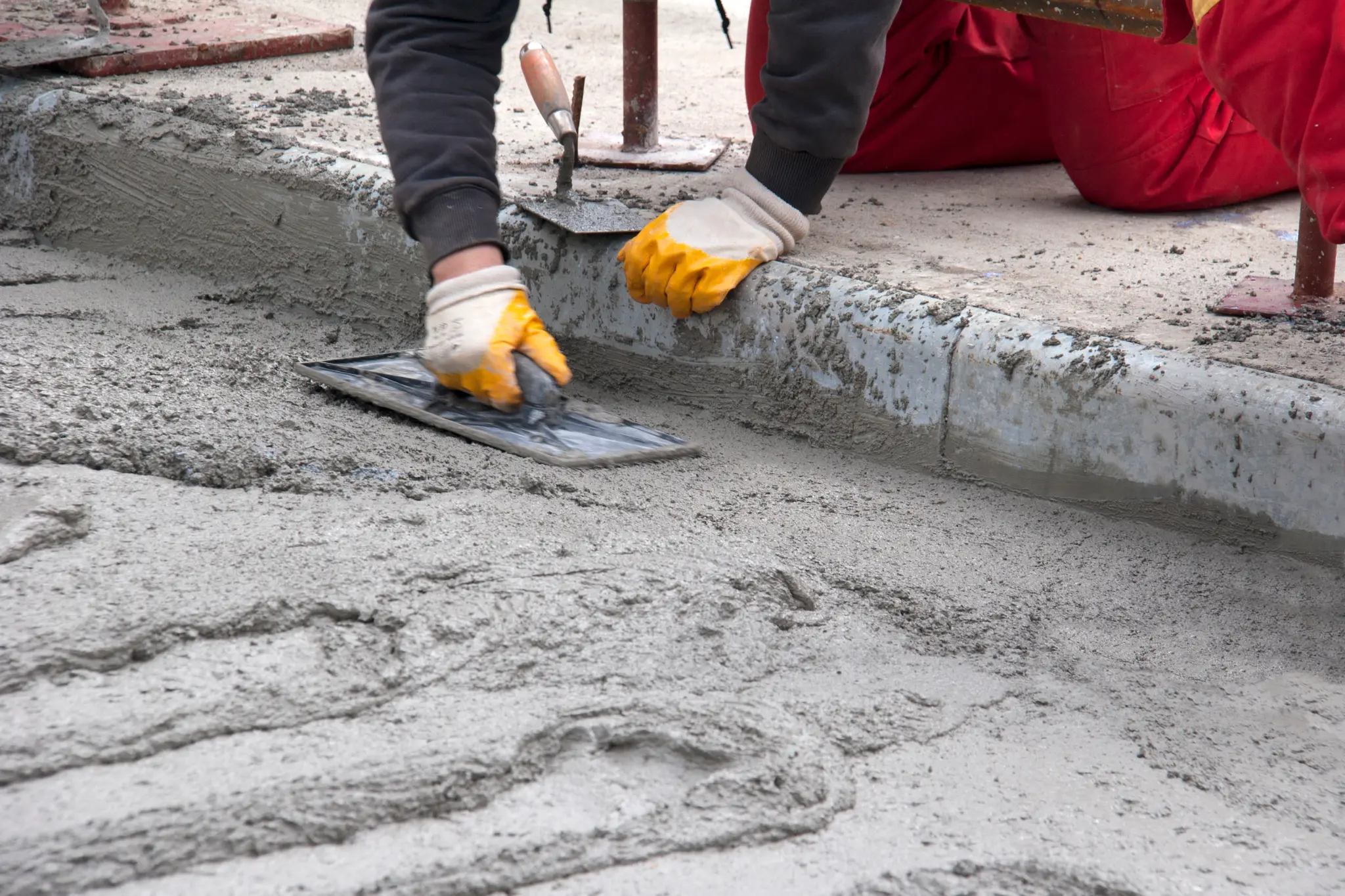
Smooth the repair with a trowel, feathering the edges to blend with the surrounding concrete. For textured surfaces, use a brush to match the existing texture while the repair is still wet.
Step 5: Cure and Seal
Allow the repair to cure per manufacturer instructions (typically 24–72 hours). Once cured, apply a concrete sealer over the entire driveway to protect the repair and prevent future cracking.
When to Call a Professional
Call a licensed concrete contractor when:
- ▸Cracks are wider than 1/2 inch
- ▸One side of the crack is higher than the other (displacement)
- ▸Cracks are growing or multiplying rapidly
- ▸You notice sinking or settling sections
- ▸Water is pooling near the foundation
- ▸The driveway is more than 25–30 years old with widespread cracking
In many cases, extensive cracking indicates that the driveway has reached the end of its useful life and full replacement is more cost-effective than repeated repairs.
Preventing Future Cracks
- ▸Seal your driveway every 2–3 years to prevent water infiltration
- ▸Avoid deicing salts — use sand or kitty litter for traction instead
- ▸Keep trees away — plant trees at least 10 feet from concrete surfaces
- ▸Ensure proper drainage — water should flow away from the driveway, not pool on it
- ▸Avoid parking heavy vehicles on residential driveways not designed for that load
The Bottom Line
Minor concrete crack repair is a manageable DIY project that can extend the life of your driveway by years. But for significant damage, professional repair or replacement is the smarter investment. The Concrete Contractor Lead Network connects homeowners with qualified concrete repair specialists in their local market.
Published by
Concrete Contractor Lead Network
The premier lead generation network for concrete contractors across the United States.
Are You a Concrete Contractor?
Join the network and start receiving qualified leads in your market. Check if your territory is available.
Check Territory AvailabilityJoin Shared Network — $500/yr