Concrete Foundation Types: Which Is Best for Your Home?
Concrete Foundation Types: A Complete Guide for Homeowners
Your home's foundation is its most critical structural element. Choosing the right foundation type — or understanding what you already have — is essential for any homeowner, buyer, or builder. This guide covers the three primary residential concrete foundation types, their costs, advantages, and best use cases.
The Three Main Foundation Types
1. Slab-on-Grade Foundation
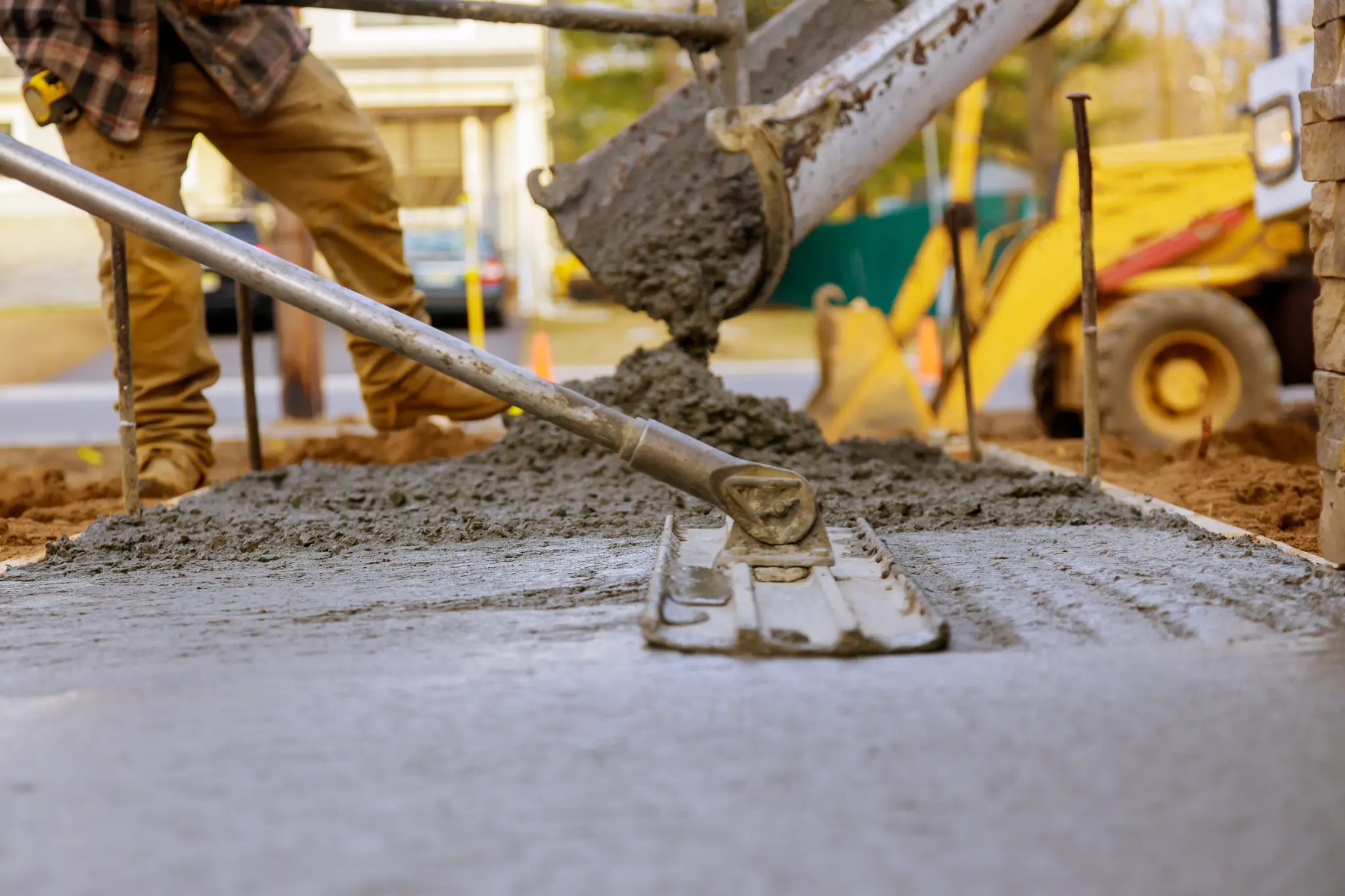
A slab foundation is a single, flat concrete slab poured directly on the ground. It's the simplest and most affordable foundation type.
How it works: The ground is graded and compacted, a gravel base is laid, and concrete is poured to a thickness of 4–6 inches. Plumbing and electrical conduits are embedded in the slab before pouring. The slab serves as both the foundation and the floor.
Best for:
- ▸Warm climates with minimal frost (Southeast, Southwest, Southern California)
- ▸Flat building sites
- ▸Budget-conscious builds
- ▸Areas with high water tables where basements aren't practical
Pros:
- ▸Lowest cost ($4,000–$12,000 for a typical home)
- ▸Fast construction (1–3 days to pour)
- ▸No crawl space for pests or moisture
- ▸Very stable in non-freezing climates
Cons:
- ▸No access to plumbing/electrical once poured (repairs require cutting the slab)
- ▸Not suitable for areas with significant frost heave
- ▸No storage or living space below grade
- ▸Can crack if soil shifts
2. Crawl Space Foundation
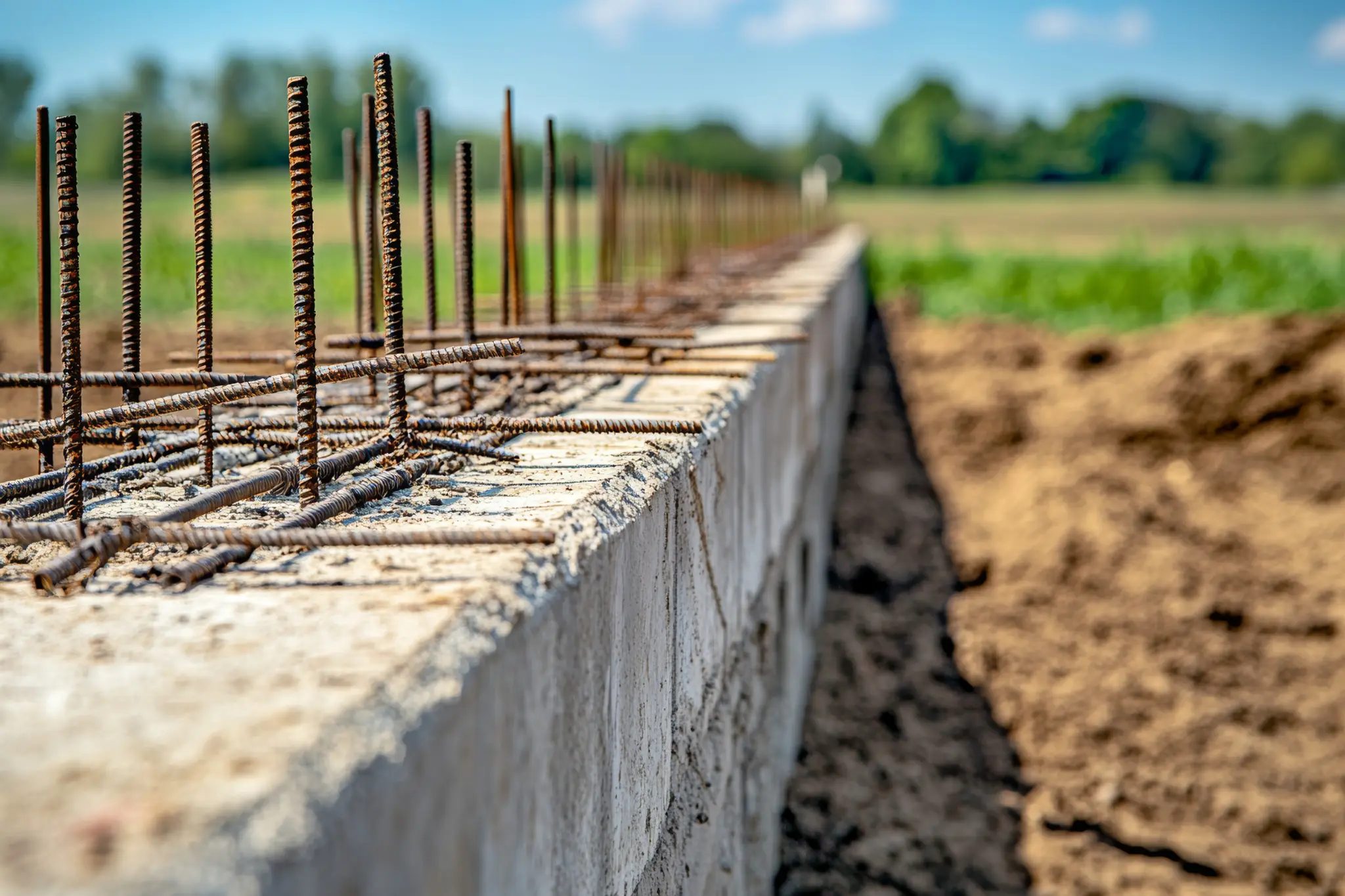
A crawl space foundation uses short concrete walls (stem walls) to elevate the home 18–36 inches above grade, creating a shallow accessible space beneath the floor.
How it works: A perimeter of concrete footings is poured, then stem walls are built on top. The floor joists sit on the stem walls, and the crawl space beneath provides access to plumbing, electrical, and HVAC systems.
Best for:
- ▸Moderate climates with some frost
- ▸Sloped building sites
- ▸Areas where access to utilities is important
- ▸Regions with expansive soils
Pros:
- ▸Easier access to plumbing and electrical
- ▸Better than slab in areas with some frost
- ▸Elevates home above flood-prone areas
- ▸More affordable than a full basement
Cons:
- ▸Moisture and pest management required
- ▸Must be properly insulated and ventilated
- ▸More expensive than slab ($8,000–$25,000)
- ▸Can develop moisture problems if not properly encapsulated
3. Full Basement Foundation
A full basement extends the foundation 8 feet or more below grade, creating usable living or storage space beneath the home.
How it works: Excavation goes 8–10 feet deep. Concrete footings are poured, then concrete walls are formed and poured (or concrete block is used). The basement floor is a separate concrete slab. Waterproofing is critical.
Best for:
- ▸Cold climates where footings must go below frost line (Midwest, Northeast)
- ▸Areas where additional living space is desired
- ▸Sloped lots where walkout basements are possible
- ▸Homes where the extra investment adds significant value
Pros:
- ▸Significant additional living/storage space
- ▸Protects against frost heave in cold climates
- ▸Can be finished into living space (adds 500–1,500 sq ft)
- ▸Provides storm shelter in tornado-prone areas
Cons:
- ▸Most expensive option ($20,000–$60,000+)
- ▸Requires proper waterproofing (ongoing maintenance)
- ▸Not practical in areas with high water tables
- ▸Longer construction timeline
Foundation Cost Comparison
| Foundation Type | Typical Cost (2,000 sq ft home) | Best Climate |
|---|---|---|
| Slab-on-grade | $4,000–$12,000 | Warm, no frost |
| Crawl space | $8,000–$25,000 | Moderate, some frost |
| Full basement | $20,000–$60,000+ | Cold, significant frost |
Warning Signs of Foundation Problems
Regardless of foundation type, watch for:
- ▸Cracks wider than 1/4 inch, especially horizontal or stair-step cracks
- ▸Doors and windows that stick or won't close properly
- ▸Sloping or uneven floors
- ▸Gaps between walls and ceiling/floor
- ▸Water intrusion or efflorescence (white mineral deposits)
If you notice any of these signs, contact a licensed concrete contractor or structural engineer immediately. Early intervention is far less expensive than waiting until problems worsen.
Choosing the Right Foundation Contractor
Foundation work is not a place to cut corners. Always hire a licensed, insured concrete contractor with specific experience in foundation work. The Concrete Contractor Lead Network connects homeowners with qualified foundation specialists in their local market.
Published by
Concrete Contractor Lead Network
The premier lead generation network for concrete contractors across the United States.
Are You a Concrete Contractor?
Join the network and start receiving qualified leads in your market. Check if your territory is available.
Check Territory AvailabilityJoin Shared Network — $500/yr